There’s something about the first real chill in the air that makes us instinctively turn inward. The days are shorter now, darkness settling in before dinner, and our homes need to do more than just shelter us from the cold. They need to wrap us in warmth, to offer that deep sense of comfort that can only be described as cozy.
The truth is, we’re all chasing the same feeling whether we know it or not. It’s the atmosphere of a rustic mountain cabin in Vail, where snow piles against the windows and the world outside feels both beautiful and impossibly far away. It’s the kind of warmth you find in a ski chalet tucked into the Swiss Alps, where every element works together to create a refuge from winter’s bite. This isn’t about recreating those spaces exactly (most of us don’t have access to alpine real estate), but about capturing that essence of mountain retreat warmth in whatever space we call home.
The Foundation of Warmth
If you’re fortunate enough to be planning renovations or building from scratch, architectural elements can set the stage for cozy in ways that no amount of decorating can fully replicate. This is where you get to build warmth into the bones of your home rather than just layering it on top.
Reclaimed wood has become something of a design darling in recent years, and for good reason. There’s a depth to aged timber that new lumber simply can’t match, no matter how you stain or finish it. Wood that’s been weathered by decades of sun and rain carries its history in every grain pattern, every nail hole, every variation in color. When you bring salvaged barn siding or old factory beams into your home, you’re adding a layer of authenticity that grounds a space immediately. The patina can’t be faked, and that’s precisely what makes it valuable. Beyond the aesthetic appeal, reclaimed wood brings an environmental consciousness to renovations that feels increasingly important. Using materials that have already lived one life means fewer trees felled, less manufacturing, less waste. It’s a choice that honors both the past and the future, which adds its own kind of warmth to a home.
Interior designer Ginger Curtis of Urbanology Designs, speaking with HGTV about curating cozy spaces, explains it this way: “The use of natural wood in a living space not only acts as a decorative or functional feature, but it can provide balance by adding texture and warmth. It has an organic element that reminds you of nature and brings a cozy, unfussy look and feel to a contemporary space.” She suggests installing large beams, plank walls or raw oak floors for major impact or a handmade wood table as an accent piece. Bonus points if those are hand-hewn beams in a mountain home.
Hand-hewn beams take this concept even further. The kind you see spanning the ceilings of mountain cabins bring an immediate sense of history and substance to a room. There’s something about the visible tool marks, the slight irregularities in the wood, that makes a space feel grounded and honest. Each beam tells the story of the craftsman who shaped it, and that human element matters more than we often realize. These beams don’t have to be original to the structure. In fact, some of the most beautiful installations use timbers salvaged from old barns or mills, wood that’s been standing for a century or more and now gets a second act in your home.
The beauty is in the texture, the way they draw the eye upward and make a room feel both expansive and intimate at once. Exposed beams add architectural interest to what might otherwise be a flat ceiling plane, creating depth and dimension. They work particularly well in great rooms or over kitchen islands, anywhere you want to define space without closing it off.
If beams feel too ambitious or don’t suit your home’s structure, there are other architectural moves that capture similar warmth. A wood-clad ceiling, particularly in a tongue-and-groove pattern, transforms the entire character of a room. Walk into a space with a wood ceiling and you immediately feel sheltered, cocooned. The effect is especially powerful in bedrooms, where that sense of enclosure actually enhances the room’s purpose.
There’s something to be said for preserving historic architecture when you have it. Designer Rafe Churchill of Hendricks Churchill LLC, also featured in HGTV’s expert roundup, explains how old and new work together: “We love old interiors, especially when using contemporary furnishings. We believe there’s some kind of nesting effect that occurs between a historic house and its modern interior.” Keeping existing millwork and paneling while furnishing with contemporary pieces creates a room that acknowledges the history of the house and even finds comfort in it.
Built-in window seats with deep sills create those coveted nooks that every mountain cabin seems to have naturally. Add cushions and pillows, and you’ve built yourself a refuge within a refuge. The same goes for floor-to-ceiling bookcases or a built-in banquette in the kitchen. These permanent fixtures add weight and intention to a space that freestanding furniture simply can’t achieve. Windows matter too, though not in the way you might think. Smaller, well-placed windows with substantial trim can actually feel cozier than floor-to-ceiling glass. Deep window sills that can hold a cup of tea or a stack of books, thick casings that frame views like paintings rather than trying to erase the boundary between inside and out. This runs counter to modern design trends, but there’s wisdom in it. A home that feels like a refuge needs to feel distinct from the outside world, not like an extension of it.
Rethinking Your Relationship with Light
Here’s where most of us go wrong without even realizing it. We flip that overhead switch the moment we walk into a room, flooding everything with uniform brightness that flattens the space and strips away any sense of atmosphere.
Overhead lighting has its place (mostly for cleaning and tasks that require true visibility), but it should never be your primary source of illumination in the evening. Layer your lighting instead. Table lamps on side tables, floor lamps in dark corners, sconces that wash walls with gentle light. The goal is to create pools of warmth throughout the room, little islands of illumination that make the space feel both larger and more intimate. When light comes from multiple sources at different heights, it adds dimension and shadow, the very things that make a room feel alive rather than sterile.
And then there are candles. Real ones, with actual flames that flicker and dance. The light they cast is fundamentally different from any bulb, warmer and more forgiving, with a quality that makes skin glow and conversations feel more meaningful.
Group them on a coffee table or mantel, light them every evening (not just when guests come over), and notice how the entire energy of your home shifts. There’s a reason every mountain lodge worth its salt has candles burning from afternoon onward.
If you have a fireplace, the impact on a room’s lighting goes beyond what any fixture can achieve. The dancing light of actual flames creates movement and life, casting shadows that shift and change throughout the evening. It’s the ultimate ambient lighting, one that humans have been drawn to for thousands of years. But a fireplace brings more than just light to a space (we’ll get into the full scope of its contribution later), and that layered benefit is exactly why it’s so central to any truly cozy room.
Textiles That Invite Touch
Walk into any chalet and you’ll find blankets everywhere. Not folded and stacked for show, but draped over chair arms and sofas, ready to be pulled close at a moment’s notice. This is the kind of practical luxury that translates perfectly to everyday life.
Wool throws, cable knit blankets, faux fur that’s soft enough to bury your face in. These aren’t just decorative. They’re an invitation to slow down, to curl up with a book or simply sit and watch the evening unfold. Interior designer Caitlin Murray of Black Lacquer Design, in her conversation with HGTV about curating cozy spaces, puts it perfectly: “The addition of lusher, richer textures that complement existing decor is an instant way to make any room feel that much cozier. Fur, velvet and Mongolian lamb are my favorite fabrics to layer for that cuddled-up vibe. The great thing about these materials is that a little bit here and there can completely transform the feel of a room.”
The same goes for pillows, and not just one or two. We’re talking about layering them generously across your sofa in varying textures and sizes. Velvet against chunky knit, linen beside mohair. Each fabric brings its own quality of softness and visual interest. Your sofa should look like something you can actually sink into, not a showroom display that nobody dares to disturb.
The impact of texture goes beyond what’s obvious. Chenille, hide, even the weave of a substantial linen creates what designers call a tactile experience that feels as good as it looks. It’s the difference between a room that looks cozy in photos and one that actually feels cozy when you’re in it.
Consider swapping out lighter curtains for heavier drapes in winter months. The weight of the fabric adds visual warmth, and the practical benefit of insulation against cold windows is real. Floor-length panels in rich colors or natural fabrics like wool or heavyweight linen can completely change how a room feels. The key is choosing fabrics that have weight and texture, materials that look substantial enough to keep the cold at bay.
The Power of Scent and Sound
This one often gets overlooked in design conversations, but a cozy space engages more than just sight and touch. The smell of wood smoke, pine needles, balsam fir, or even just coffee brewing in the morning contributes enormously to that sense of retreat we’re after. You don’t need a fireplace to capture this (though if you have one, use it). Simmer a pot on the stove with orange peels, cinnamon sticks, and a few cloves. Burn incense or use a diffuser with essential oils that evoke warmth rather than spring florals.
The goal is subtle background scent that you notice when you first walk in and then forget about until you leave and come back again. Sound matters too. A crackling fire, soft music, even the hum of a kettle on the stove. These ambient sounds fill the silence without demanding attention, making a space feel lived-in rather than empty. If you don’t have a fireplace, there are apps and videos that will play crackling fire sounds for hours (it sounds silly until you try it and realize how effective it actually is).
Considering Color
While white and neutral palettes have dominated design trends, there’s something to be said for embracing deeper, richer tones as the days grow shorter.
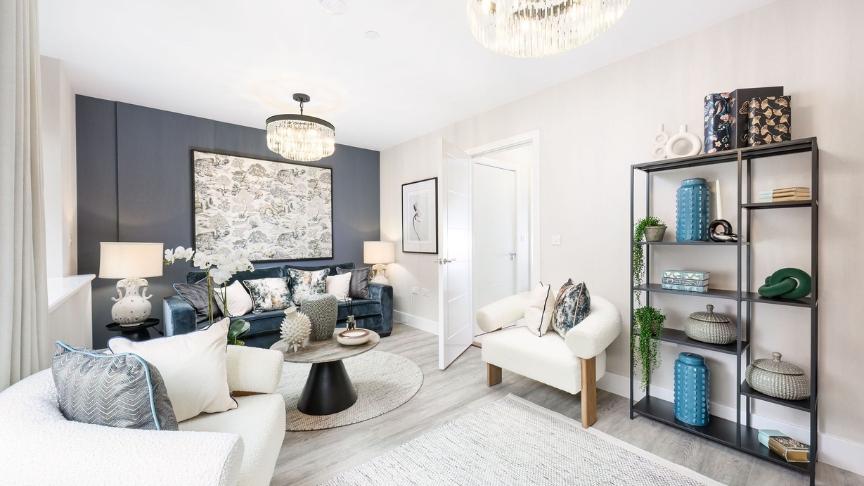
Dark walls can actually create intimacy rather than making a space feel heavy. When walls are painted in deep hues but the trim stays light, the contrast draws attention to the windows and the natural light streaming through them, creating a room that feels bold yet still bright. For smaller spaces especially, treating the room like a jewel box works beautifully. An impactful wall color, pieces with varying textures, and carefully chosen accessories can add up to a space that feels dramatic and enveloping in the best possible way.
The Art of Arrangement
How you position your furniture matters just as much as what you choose. The conversation circle, that age-old arrangement trick, still works beautifully when done with a light touch. It doesn’t have to feel formal or stuffy. The goal is creating intimate seating areas that naturally encourage people to settle in and stay awhile.
Pull furniture away from the walls. Float a sofa in the room if you can, anchor it with a substantial rug, and arrange seating to face each other rather than all pointing toward the television. An oversized sectional works wonders here, offering enough space for the whole family to sprawl while still feeling cohesive and contained. In open floor plans especially, this kind of deliberate furniture placement helps define zones and creates that sense of enclosure we’re after.
Don’t overlook the importance of surfaces within reach. Side tables, ottomans that can hold a tray, wide sofa arms that beg you to rest a mug on them. These practical touches mean you can actually use the space comfortably, that you’re not constantly getting up to retrieve your coffee or find a place to set down your book.
Small Gestures with Outsized Impact
Sometimes cozy comes down to the smallest choices. Switching out cold metal hardware for warmer brass or wood. Keeping a basket of firewood by the hearth even if it’s just for show.
Setting out a tray with a teapot and mugs so making something warm feels effortless rather than like a production.
Creating little nooks throughout your home gives you those coveted retreat-within-a-retreat moments. A reading corner with a comfortable chair and good lamp, a window seat piled with cushions, even just a bench in an alcove with a few throw pillows. These small, defined spaces within larger rooms offer that sense of shelter and containment that makes a house feel truly restful. Plants help too, particularly in winter when everything outside is dormant. They bring life and softness to corners that might otherwise feel forgotten. Even cut greenery, branches from your own yard arranged simply in a vase, connects your interior to the landscape outside in a way that feels grounding. The practice of bringing the outside in matters more than we often acknowledge, especially when the world beyond our windows has gone quiet and brown.
And books, stacked on coffee tables or filling shelves, add both visual texture and the suggestion of quiet evenings spent reading rather than scrolling. Layer in personal treasures too. Family photos, collected objects from travels, heirlooms that carry stories. These pieces make a space uniquely yours, and there’s a particular kind of comfort that comes from being surrounded by things that hold meaning. As one designer puts it, our homes tell our story, and there’s no better way to tell that story than with collected and curated treasures we genuinely love.
Making It Personal
The most important thing to remember is that cozy isn’t about perfection or making your home look like it belongs in a magazine. It’s about creating a space that makes you want to stay, that feels like an embrace when you walk through the door.
Durable fabrics matter if you have kids or pets. No one can truly relax in a room where they’re worried about ruining things. Choose materials that can handle real life, that improve with age rather than showing every mark. Performance fabrics have come so far that you don’t have to sacrifice beauty for practicality anymore. It’s permission to slow down, to light the candles on a random Tuesday, to pile on an extra blanket and settle in as the darkness gathers outside. That mountain cabin feeling we’re all chasing isn’t really about location at all. It’s about intention, about making your home a true refuge as the year winds down and winter settles in for the long haul.